

 EN
EN
Kaixin, sebuah perusahaan teknologi tinggi yang berspesialisasi dalam R&D, produksi dan penjualan katup pipa polimer.
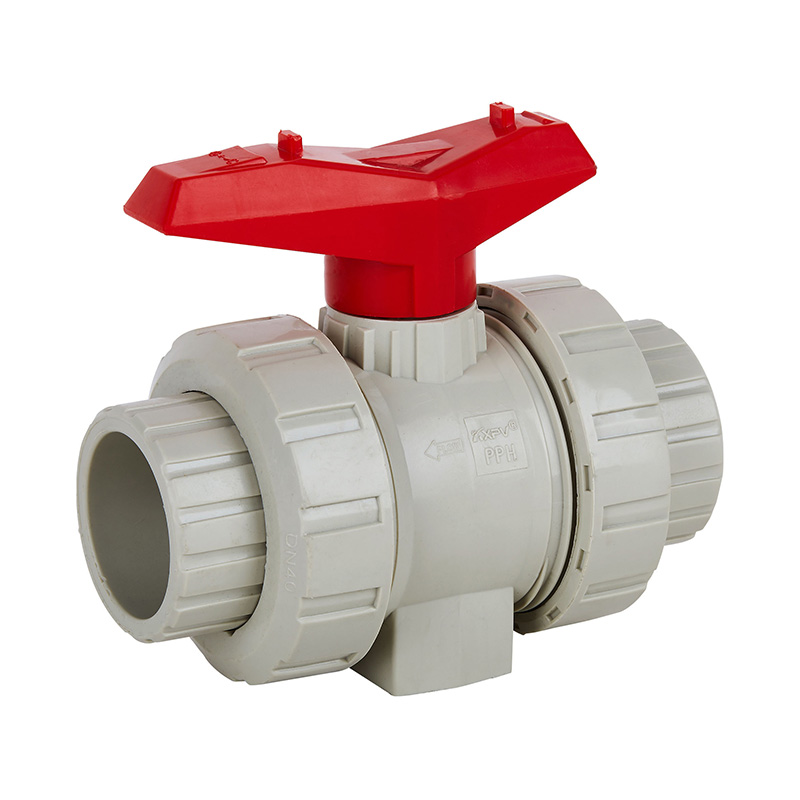
halerilaku merayap masuk Fitting pipa PPH secara langsung mengurangi kapasitas penahanan tekanan jangka panjang ketika sistem beroperasi pada suhu tinggi. Di bawah tekanan mekanis dan panas yang berkelanjutan, material PPH mengalami deformasi yang lambat dan bergantung pada waktu — bahkan ketika tingkat tegangan tetap jauh di bawah kekuatan luluh jangka pendek. Dalam praktiknya, fitting pipa PPH yang diberi nilai tekanan tertentu pada 20°C dapat bertahan hanya 40–60% dari kapasitas tekanan tersebut setelah bertahun-tahun digunakan terus-menerus pada suhu 60–80°C. Memahami perilaku ini bukanlah suatu pilihan bagi para insinyur; ini merupakan persyaratan mendasar untuk merancang sistem perpipaan termoplastik yang aman dan tahan lama.
Apa Itu Creep dan Mengapa Penting pada Fitting Pipa PPH?
Creep adalah deformasi permanen dan bertahap suatu material yang mengalami tekanan konstan sepanjang waktu, terutama pada suhu di atas sekitar sepertiga titik leleh material. Untuk PPH (Polypropylene Homopolymer), dengan titik leleh mendekati 165°C, mulur menjadi perhatian yang dapat diukur pada suhu pengoperasian serendah 40°C, dan meningkat secara signifikan di atas 60°C.
Dalam sistem perpipaan bertekanan, Fitting pipa PPH mengalami tekanan lingkaran - tegangan melingkar yang disebabkan oleh tekanan fluida internal. Ketika tegangan ini diterapkan terus menerus selama berbulan-bulan atau bertahun-tahun, deformasi mulur terakumulasi di dinding pemasangan, secara bertahap menipiskan penampang penahan beban efektif. Jika tidak diperhitungkan, hal ini akan menyebabkan salah satu dari dua mode kegagalan:
- Pertumbuhan retakan yang lambat dimulai pada titik konsentrasi tegangan seperti antarmuka las soket atau permukaan bertakik
- Pecahnya ulet ketika akumulasi regangan mulur melebihi batas perpanjangan jangka panjang material
Mode kegagalan tidak memberikan tanda-tanda peringatan yang terlihat selama inspeksi rutin, sehingga desain yang tepat merupakan satu-satunya perlindungan yang dapat diandalkan.
Bagaimana Suhu Memperkuat Creep pada Fitting Pipa PPH
Suhu adalah faktor paling berpengaruh yang mengatur laju mulur pada alat kelengkapan pipa PPH. Hubungannya bersifat nonlinier: peningkatan suhu yang sedikit akan menghasilkan penurunan yang sangat besar dalam peringkat tekanan jangka panjang fitting. Hal ini diukur melalui kurva regresi tegangan hidrostatik , distandarisasi berdasarkan ISO 9080 dan DIN 8077/8078, yang memetakan tegangan izin terhadap waktu pada berbagai suhu.
| Suhu Operasional | Perkiraan Retensi Tekanan Jangka Panjang (vs. Peringkat 20°C) | Kehidupan Layanan Desain Khas |
|---|---|---|
| 20°C | 100% | 50 tahun |
| 40°C | ~80% | 25–50 tahun |
| 60°C | ~55–60% | 10–25 tahun |
| 80°C | ~35–45% | 5–10 tahun |
| 95°C | ~25–30% | <5 tahun (dengan penurunan daya) |
Angka-angka ini menyoroti mengapa a Fitting pipa PPH dipasang pada jalur dosing kimia pada suhu 80°C tidak bisa begitu saja dipilih berdasarkan kelas tekanan suhu ruangannya. Tekanan kerja efektif harus diturunkan, biasanya dengan menerapkan faktor koreksi suhu (C T ) ke peringkat tekanan nominal (PN).
Peran Konsentrasi Stres dalam Mempercepat Kegagalan Creep
Tidak semua bagian fitting pipa PPH merayap dengan kecepatan yang sama. Diskontinuitas geometrik — termasuk sudut internal yang tajam, ketidakteraturan manik las, sambungan ulir, dan transisi ketebalan dinding yang tiba-tiba — menciptakan konsentrasi tegangan lokal di mana inisiasi mulur terjadi secara istimewa.
Zona Konsentrasi Tegangan Umum pada Kelengkapan Pipa PPH
- Sambungan fusi soket: Transisi dari dinding pipa ke lubang soket, terutama jika kurang atau terlalu banyak, bertindak sebagai takik di bawah tekanan hoop
- Persimpangan siku dan tee: Sambungan cabang pada fitting tee PPH memusatkan tegangan pada daerah selangkangan, dimana perkuatan dinding sangat penting secara struktural
- Transisi peredam: Perubahan diameter yang tiba-tiba pada fitting peredam PPH menimbulkan momen lentur yang ditumpangkan pada tegangan tekanan internal
- Ujung rintisan berulir: Akar benang bertindak sebagai takik, yang secara signifikan mengurangi ketahanan mulur jangka panjang di lokasi tersebut
Sebuah studi tentang kegagalan lapangan dalam sistem perpipaan polipropilen industri menemukan hal itu lebih dari 70% kegagalan tekanan jangka panjang dimulai pada konsentrasi tegangan geometrik dan bukan pada bagian pipa lurus, sehingga menegaskan bahwa manajemen geometri pemasangan setidaknya sama pentingnya dengan pemilihan material.
Merancang Sistem Pemasangan Pipa PPH untuk Mengkompensasi Creep
Kompensasi efektif untuk merayap masuk Pemasangan pipa PPH sistem memerlukan strategi desain berlapis yang menangani pemilihan material, penurunan tekanan, kualitas sambungan, dan manajemen termal secara bersamaan.
Penurunan Tekanan Menggunakan Faktor Koreksi Suhu
Tekanan kerja desain (P desain ) untuk pemasangan pipa PPH pada suhu tinggi dihitung sebagai:
P desain = PN×C T
Dimana PN adalah rating tekanan nominal pada 20°C dan C T adalah faktor koreksi suhu yang ditentukan oleh produsen fitting atau berasal dari tabel kelas layanan ISO 10508. Untuk fitting pipa PN10 PPH yang beroperasi terus menerus pada suhu 70°C, C T adalah sekitar 0,5, menghasilkan tekanan desain efektif yang adil 5 batang — setengah dari nilai suhu ruangannya.
Memilih Seri Ketebalan Dinding Lebih Tinggi
Untuk layanan suhu tinggi, tentukan Fitting pipa SDR 11 atau SDR 7.4 PPH alih-alih SDR 17 memberikan ketebalan dinding yang lebih besar dibandingkan diameter, secara langsung mengurangi tegangan hoop dan memperlambat akumulasi mulur. Hal ini sangat penting untuk perlengkapan di jalur pemrosesan kimia di mana serangan kimia dan mulur secara bersamaan berinteraksi untuk mempercepat degradasi.
Mengontrol Siklus Termal
Sistem yang bersiklus antara suhu lingkungan dan suhu tinggi menyebabkan pembalikan tegangan berulang pada alat kelengkapan pipa PPH, yang memperparah mulur dengan kerusakan akibat kelelahan. Menginstal loop ekspansi atau kompensator bellow pada interval tidak lebih dari 1,5–2,0 m untuk lintasan melebihi 10 m adalah praktik standar untuk jalur proses panas yang menggunakan alat kelengkapan PPH. Hal ini mencegah gaya ekspansi termal aksial dipindahkan seluruhnya ke sambungan fitting.
Bagaimana Kualitas Sambungan Fusi Secara Langsung Mempengaruhi Resistensi Creep
Integritas sambungan fusi antara fitting pipa PPH dan pipa penghubungnya bisa dibilang merupakan variabel paling penting yang mengatur penahanan tekanan jangka panjang dalam kondisi mulur. Sambungan butt fusion yang dijalankan dengan benar akan menghasilkan a zona las homogen dengan sifat mekanik mendekati bahan induk . Setiap penyimpangan — waktu perendaman panas yang tidak mencukupi, tekanan fusi yang salah, kontaminasi ujung pipa, atau pergerakan prematur selama pendinginan — menciptakan antarmuka yang secara struktural lebih rendah yang merayap dengan kecepatan yang dipercepat.
Parameter kualitas fusi utama untuk alat kelengkapan pipa PPH meliputi:
- Suhu pelat pemanas: 200–220°C untuk fusi pantat PPH standar
- Waktu pemanasan: biasanya sebanding dengan ketebalan dinding pipa 1 detik per milimeter ketebalan dinding sebagai garis dasar
- Pendinginan di bawah tekanan: minimum 10 menit di bawah tekanan fusi sebelum gangguan sendi
- Geometri manik: manik ganda simetris dengan rasio tinggi-lebar yang benar memastikan aliran dan konsolidasi material yang memadai
Pengujian tekanan hidrostatis pasca pemasangan di 1,5× tekanan desain selama minimal 1 jam sangat disarankan sebelum mengoperasikan sistem pemasangan pipa PPH bersuhu tinggi untuk mengidentifikasi sambungan di bawah standar sebelum digunakan.
Interaksi Lingkungan Kimia dengan Creep pada Fitting Pipa PPH
Dalam banyak aplikasi industri, Fitting pipa PPH menangani bahan kimia agresif secara bersamaan dengan suhu tinggi. Kombinasi ini menciptakan mekanisme degradasi yang sinergis: bahan kimia tertentu — terutama asam pengoksidasi, pelarut terklorinasi, dan oksidan kuat — menyerang rantai polimer PPH, mengurangi berat molekulnya dan menurunkan ketahanannya terhadap deformasi mulur.
Misalnya, alat kelengkapan pipa PPH yang bersentuhan dengan asam nitrat pekat pada suhu 60°C dapat menunjukkan laju mulur 2–3 kali lebih tinggi daripada alat kelengkapan dalam layanan air murni pada suhu yang sama, karena pemotongan rantai oksidatif mengurangi kepadatan belitan polimer — mekanisme mikrostruktur utama yang menahan aliran mulur.
Insinyur yang menentukan alat kelengkapan pipa PPH untuk layanan suhu tinggi yang agresif secara kimia harus selalu berkonsultasi dengan tabel ketahanan bahan kimia pabrikan pada suhu layanan sebenarnya, bukan pada 20°C, dan menerapkan faktor keamanan tambahan setidaknya 1,5–2,0 dengan tekanan desain yang dihitung.
Strategi Monitoring dan Pemeliharaan Sistem Pemasangan Pipa PPH Jangka Panjang
Karena kerusakan mulur pada sambungan pipa PPH terakumulasi tanpa terlihat dari waktu ke waktu, pemantauan proaktif sangat penting untuk sistem dengan umur desain melebihi 10 tahun pada suhu tinggi. Strategi yang direkomendasikan meliputi:
- Inspeksi dimensi berkala: Mengukur diameter luar dan ketebalan dinding pada interval terjadwal (setiap 3–5 tahun) untuk mendeteksi deformasi mulur yang dapat diukur sebelum mencapai tingkat kritis
- Pengujian ketebalan ultrasonik: Pengukuran ketebalan dinding non-destruktif pada zona tegangan tinggi seperti daerah selangkangan siku dan persimpangan cabang tee
- Pemantauan penurunan tekanan: Peningkatan penurunan tekanan sistem yang tidak terduga dapat mengindikasikan deformasi internal alat kelengkapan pipa PPH pada bagian kritis aliran
- Inspeksi visual pada sambungan fusi: Memeriksa retaknya butiran, perubahan warna, atau pembengkakan lokal yang berdekatan dengan zona las, yang mungkin menandakan perambatan retakan mulur di bawah permukaan
- Pencatatan suhu: Mengonfirmasi bahwa suhu proses tetap berada dalam batas desain, bahkan sejak a Kelebihan 10°C di atas suhu desain dapat mengurangi sisa masa pakai sebesar 30–50%
Menetapkan jadwal inspeksi dan penggantian formal — dengan Pemasangan pipa PPH masa pakai yang dihitung secara konservatif sebesar 80% dari umur desain yang diturunkan dari ISO 9080 — memberikan margin keselamatan yang memadai untuk sebagian besar aplikasi industri.

 Kantor Pusat: Jalan Bohai No. 539, Distrik Beilun, Kota Ningbo, Provinsi Zhejiang, PR Tiongkok
 +86-18067123177